Familiarity breeds complacency. When workers perform the same tasks day after day, experience and confidence can quietly shift into autopilot, and that’s when workplace complacency becomes a serious safety risk.
The consequences go beyond minor oversights. Complacency in the workplace can lead to reduced productivity, decreased morale, and workplace accidents — all of which contribute to unsafe working conditions that put your employees and your business at risk.
According to OSHA, complacency hazards are invisible before things go wrong — making them especially dangerous in high-risk industries like construction, manufacturing, and industrial operations where the margin for error is small. Addressing complacency in the workplace isn’t just a safety priority — it’s a business imperative. The good news is that with the right strategies, it’s entirely preventable.
Keep reading to explore the four most common causes of workplace complacency, the dangers it poses to your organization, and proven strategies to increase safety in the workplace and keep your workforce engaged and vigilant.
Key Takeaways:
- Workplace complacency develops gradually through repetitive tasks, lack of recognition, poor communication, and limited growth opportunities — often going unnoticed until an incident occurs
- The dangers of complacency in the workplace extend beyond accidents — including financial losses, erosion of safety culture, team morale damage, and long-term reputational harm
- Five proven strategies to combat workplace complacency include promoting self-awareness, regular training, open communication, clear goal-setting, and recognizing proactive behavior
- OSHA identifies complacency hazards as invisible before things go wrong — making proactive safety culture the most effective defense
- Integrating onsite healthcare and telemedicine into your safety program provides a critical last line of defense when complacency leads to workplace injury
What is Complacency in the Workplace?
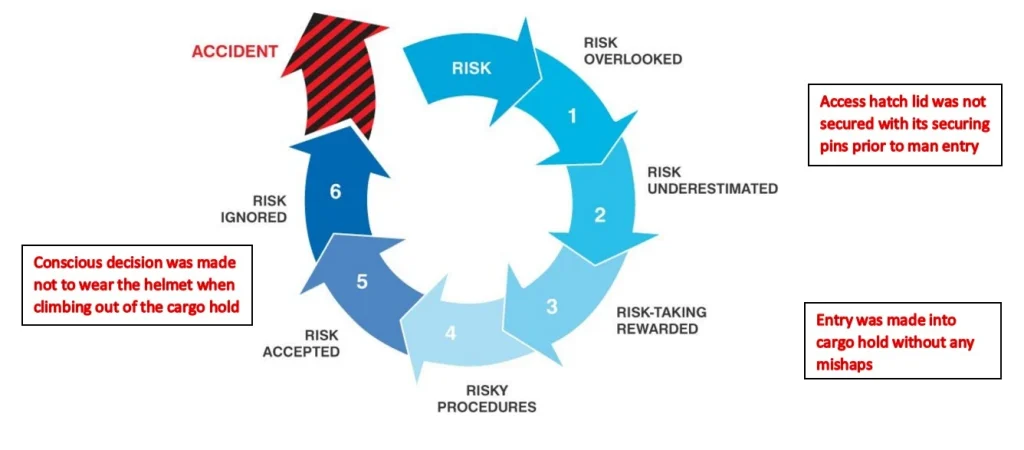
Workplace complacency is a mindset where you become comfortable with a situation or your own abilities, leading to a lack of awareness about potential dangers or deficiencies. This is often due to the repetition of tasks and routines, causing employees to operate on autopilot.
There are various ways workers can display complacency, including rushing through tasks, skipping important safety steps during a task, multitasking, or engaging in distracting activities while performing a task.
OSHA explains that hazards related to complacency are invisible before things go wrong, meaning the consequences can catch workers by surprise; this makes it especially dangerous in high-risk work environments.
4 Common Causes of Workplace Complacency
To address safety complacency in the workplace, companies must understand its common causes. This includes:
1. Repetitive Tasks
Workers that always perform the same tasks may overestimate their abilities. This overconfidence can cause them to become less concerned with potential hazards or protocol deviations. This is common in industries like construction and manufacturing, where monotony can be common. For instance, workers who consistently use the same tools may neglect routine maintenance or ignore safety mechanisms, which could result in injury.
2. Lack of Challenges or Growth Opportunities
When workers lack professional challenges—such as growth opportunities or new responsibilities—they may become disengaged, leading to reduced innovation and attentiveness. This is one of the dangers of complacency in the workplace, as it can affect overall productivity and compromise safety.
3. Insufficient Recognition
Employees who feel undervalued may become disinterested in maintaining high performance or adherence to safety standards. On the other hand, employees working at companies with strong recognition cultures are 73% less likely to feel burned out. That said, regular feedback and recognition can actually help reduce complacency at work, therefore minimizing safety issues in the workplace.
4. Poor Communication
Poor communication can lead to possible misunderstandings, unclear expectations, or a lack of awareness of updated safety protocols—all of which can cause complacency in the workplace. For that reason, management should ensure employees are regularly reminded of risks and best practices, therefore increasing safety awareness in the workplace.
The Dangers of Complacency in the Workplace
Companies that don’t address complacency safety are at risk of facing direct and indirect consequences, including:
Increased Risk of Workplace Accidents
Complacency reduces employees’ attention to detail, making them more likely to overlook potential hazards or bypass safety protocols. For instance, if a machine operator fails to double-check equipment settings, it can lead to an increase in injured workers. This results in costly downtime and potential lawsuits, demonstrating that workplace complacency is both a safety issue and a financial concern.
Erosion of Safety Culture
While creating a culture that prioritizes workplace injury prevention should be a top priority, complacency in safety puts these efforts at risk. For instance, if an employee starts skipping over safety protocols, other workers may follow their lead. This is especially true if team leaders ignore minor violations of safety rules, as employees may normalize this behavior, escalating the dangers associated with complacency.
Operational Disruptions and Financial Costs
The financial impact of complacency-related incidents should not be underestimated. In addition to the cost of workplace injuries, companies have to consider financial losses associated with halted operations, missed deadlines, legal liabilities, and loss of client trust. For instance, if a severe workplace accident occurs at a construction site, the company may be investigated and given a fine or temporarily suspended until they comply with safety regulations.
Impact on Team Dynamics and Morale
Complacency can impact a team’s trust, which can have a long-lasting impact on their productivity. For example, let’s say an individual starts overlooking safety policies. If this safety complacency causes an accident, then it can result in resentment, stress, and fear among coworkers, potentially leading to higher turnover rates.
Potential for Long-Term Reputational Damage
Companies that don’t prioritize employee health are at risk of negatively affecting their reputation. Since complacency directly affects the number of workplace injuries and compliance with safety regulations, it can cause clients, partners, and regulatory bodies to perceive the company as negligent. This can lead to difficulties in securing contracts and attracting top talent.
5 Strategies to Combat Workplace Complacency
The big question is: What can companies do to address complacency?
From promoting self-awareness to rewarding proactive behavior, the following strategies not only help prevent accidents but also foster a culture of vigilance, safety, and engagement.
1. Promoting Self-Awareness
When employees are more aware of their behavior, work habits, and the impact they have on the company, they become better equipped to recognize and minimize complacency. As an employer, you can teach workers how to recognize complacency in themselves and others, which may include a lack of motivation, feeling dissatisfied with their work, low morale, and resistance to change.
2. Implementing Regular Training Programs
Providing employees with regular training ensures they stay up to date with new policies, reinforces existing ones, and minimizes complacency in the workplace. Training may differ between companies, but it may cover areas like machine maintenance, fire safety, hazard communication, first aid in the workplace, and more.
3. Encouraging Open Communication
As mentioned, insufficient recognition is a common cause of complacency at work. While there are many ways that companies can improve employee recognition, fostering a culture of open communication is one of them. This is because employees feel more valued when they’re encouraged to voice their opinions, which in turn improves internal operations, reduces complacency, and enhances vigilance.
4. Setting Clear Goals and Expectations
Having clearly defined goals helps maintain employee engagement, motivate workers, and ensure consistent performance. Since every company has different short- and long-term goals, these expectations will vary but may include areas such as teamwork, employee growth, operational efficiency, financial performance, and more.
5. Recognizing and Rewarding Proactive Behavior
Positive reinforcement is a valuable strategy in combating workplace complacency. By acknowledging employees who carefully follow safety protocols, demonstrate attentiveness, and look for ways to improve internal processes, you can encourage others to adopt similar behaviors.
The Role of Onsite Health in Mitigating Workplace Safety Complacency
An important part of addressing complacency is improving overall workplace safety, which should involve strategies for increasing both awareness and prevention. By providing on-site healthcare and implementing a comprehensive workplace safety approach, you can ensure a safer, more resilient work environment.
Keep reading to learn how partnering with a company that specializes in workplace injury management can benefit your company.
Immediate Access to Expert Care
By integrating telemedicine in workplace safety, your team can enjoy 24/7 access to clinicians, ensuring workers receive prompt work injury care in the event of an accident. At JobSiteCare, our physicians can be reached in 60 seconds or less, meaning workers can receive quick medical intervention. This, combined with the tailored solutions we provide, supports faster recovery, reduces re-injury risks, and ensures workers receive the right care.
Seamless Integration with Safety Protocols
Workplace injury management solutions can be designed to align with existing safety programs. At JobSiteCare, we’ll work with you to create a strategy that helps you maintain compliance with regulations, reduce administrative burdens, and improve overall safety outcomes—without disrupting everyday operations. This helps your company take advantage of the many benefits of workplace safety regulations, such as reduced accidents, improved productivity, and cost savings.
Cost-Effective Injury Management
Effective injury management helps minimize re-injury risks, streamline workers comp case management, and ensure workers return sooner to work—all of which can lead to cost savings. In addition, having a successful injury management strategy in place helps workers feel more secure and satisfied with their company, therefore improving organizational efficiency.
Conclusion
Workplace complacency doesn’t announce itself — it builds quietly, eroding safety culture one shortcut and one overlooked protocol at a time. Left unaddressed, it becomes one of the most costly and preventable sources of workplace accidents, operational disruptions, and financial loss.
The good news is that complacency in the workplace is manageable. By promoting self-awareness, investing in regular training, fostering open communication, and recognizing proactive behavior, your organization can build a safety culture that stays sharp — even when routines become second nature.
But prevention alone isn’t enough. When workplace complacency does lead to an incident, the speed and quality of your injury response make all the difference in outcomes, recovery time, and workers’ compensation costs. That’s where JobSiteCare comes in. Our physician-led telemedicine connects injured workers to a board-certified physician in 60 seconds or less — minimizing the impact of workplace injuries, supporting faster return to work, and integrating seamlessly with your existing safety protocols.
Complacency is preventable. Injuries are manageable. And with the right partner, both are well within your control.
Ready to strengthen your approach to workplace safety? Click here for a free risk consultation and see how JobSiteCare can support your team.
FAQs About Workplace Complacency
1. What are the common signs of complacency among employees?
Common signs of complacency include rushing through tasks, disengagement, skipping important safety steps during a task, a lack of motivation and decreased productivity.
2. How does complacency affect workplace safety and productivity?
Safety complacency in the workplace can cause workers to overlook potential hazards, therefore increasing the risk of workplace accidents. It can also lead to operational disruptions, impact a team’s dynamic and morale, and reduce overall productivity.
3. What role does safety and injury management play in combating complacency?
Having a comprehensive safety program in place reduces the risk of injuries, reinforces safety protocols, and addresses complacency in the workplace. Some of the ways to do this include providing safety training, holding workers accountable for complying with industry requirements, and ensuring quick injury management to support faster recovery.
4. What are the long-term benefits of addressing complacency in the workplace?
Reducing complacency at work helps reduce workplace accidents, improve safety standards, enhance productivity, lower costs, and increase operational efficiency.
5. What strategies can businesses use to promote vigilance and engagement?
To reduce workplace complacency, companies can promote self-awareness, implement regular training programs, encourage open communication, set clear goals and expectations, and recognize and reward proactive behavior.